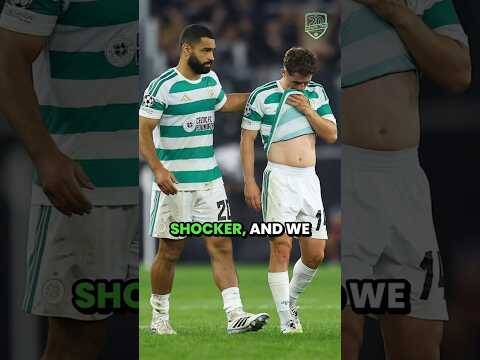
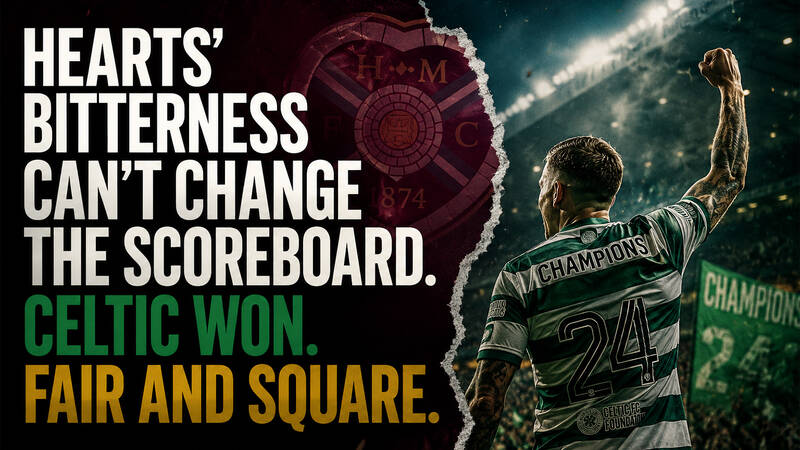
Hearts have written to the SFA and SPFL over the ending of Celtic’s 3-1 win at Celtic Park after a late pitch invasion.
- Celtic led Hearts 3-1 in stoppage time when supporters entered the pitch.
- Referee Don Robertson was the match official in charge at Celtic Park.
- Hearts' statement says a pitch invasion can determine the duration of a match.
- No public evidence has been published for Tony Bloom's TalkSPORT claims about Hearts players being assaulted.
- Celtic scored three goals and won the league after the result.
Hearts’ latest statement on the events at Celtic Park is not the measured intervention of a club defending sporting integrity – it is the reaction of a club desperately trying to turn a deserved defeat into a constitutional crisis.
Every single point in their statement collapses under scrutiny.
Let’s start with their claim that they have written to the SFA and SPFL regarding the “premature ending” of the match. That wording is carefully chosen because Hearts know full well they cannot credibly claim the game was abandoned. Even the reports driving this hysteria acknowledge that referee Don Robertson had already effectively concluded proceedings as the pitch invasion began. Former referees have publicly explained that a match ending is not dependent on a dramatic, television-friendly whistle blast that everybody can hear over 60,000 people celebrating.
The game was done. Celtic were 3-1 ahead in stoppage time. Hearts were beaten.
So what exactly are Hearts arguing here? That because supporters ran onto the pitch seconds early, the laws of football should somehow be rewritten and the result questioned? It is absurd. The implication is almost laughable: a team comprehensively losing should be handed an escape route because the opposition supporters celebrated too soon.
Then comes the most ridiculous line of all:
“A pitch invasion can effectively determine the duration of a football match, rather than the match officials.”
No. The match officials determined the duration of the match. That is precisely the point Hearts are trying to twist. Don Robertson was the official in charge. If he deemed the game complete, then the game was complete. Hearts are attempting to create the false impression that supporters somehow seized control of the fixture from the referee. That simply did not happen.
And there is a glaring contradiction at the centre of their outrage. If Hearts genuinely believed the match was still live and active, where was the protest from their players at the time? Where was the insistence on returning to the pitch to play out the final seconds? Because everybody inside Celtic Park – including Hearts – knew the contest was over.
The statement gets even more self-righteous when Hearts condemn public comments defending the pitch invasion, claiming:
“Those remarks carry dangerous implications.”
What dangerous implications, exactly? Nobody serious is defending supporters entering the pitch before the conclusion of a match. Celtic fans themselves criticised those who did it prematurely. But Hearts are deliberately blurring two completely separate issues: crowd behaviour and the legitimacy of the result.
Those are not the same thing.
A club can condemn the invasion. Authorities can investigate it. Punishments can follow if necessary. None of that magically transforms a 3-1 defeat into some unresolved sporting injustice. Hearts are exploiting a safety issue to create doubt around a football result they lost fairly on the pitch.
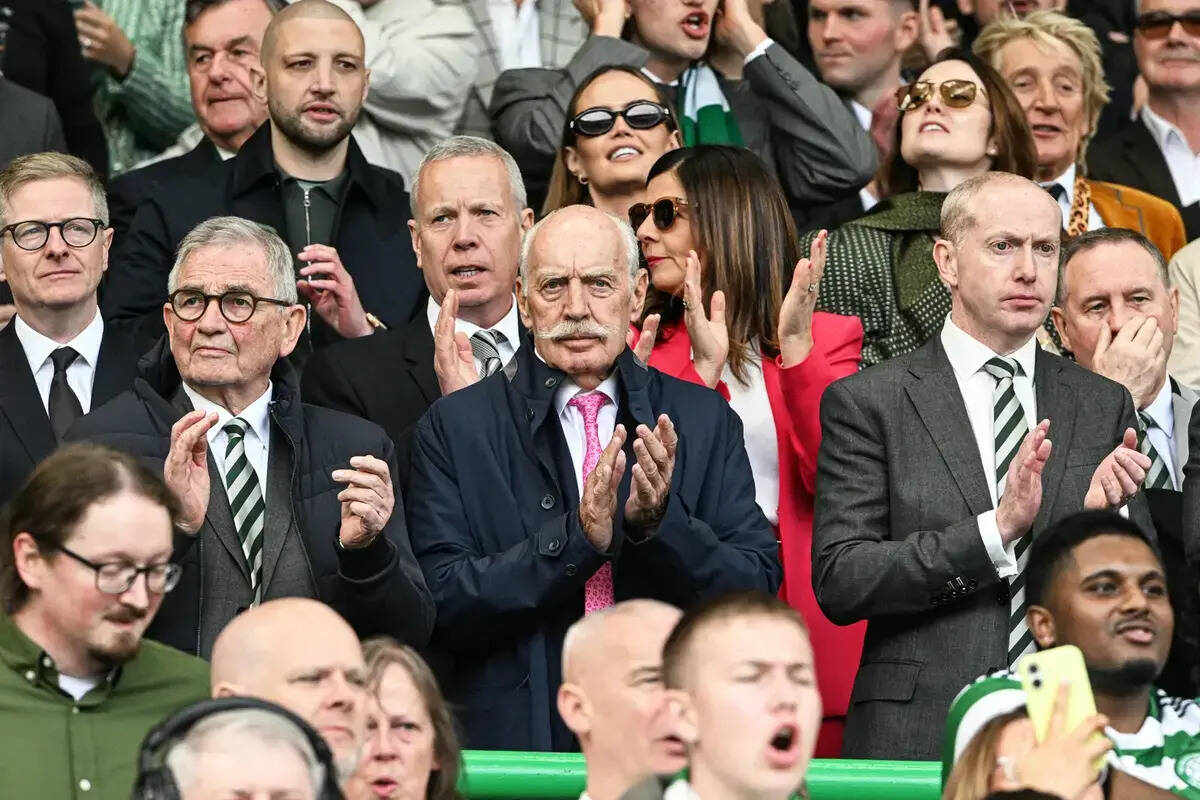
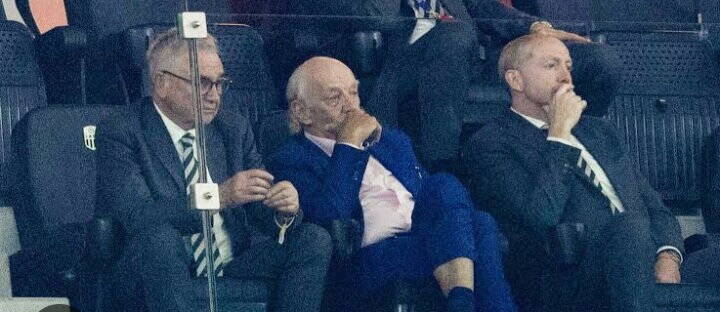
And then there is the extraordinary behaviour of Tony Bloom on TalkSPORT with Jim White, where accusations were casually thrown around suggesting Hearts players had been “assaulted” by Celtic supporters – without a single shred of publicly produced evidence to support claims of widespread attacks.
That is an astonishingly reckless thing to imply on national radio.
In modern football, accusations of assault are serious. They should require proof, clarity, and responsibility. Instead, what the public got was inflammatory rhetoric designed to escalate outrage and paint an image of Celtic supporters as violent aggressors before any investigation had concluded. Where is the evidence? Where are the verified incidents? Where are the statements from authorities confirming these dramatic claims?
There is a massive difference between condemning disorder and casually throwing around allegations that smear an entire support.
How can that be tolerated? How can senior football figures go onto major media platforms making explosive claims without substantiating them? If the roles were reversed, there would be outrage about reckless narratives, trial-by-media tactics, and the demonisation of supporters. Yet when it comes to Celtic, insinuation suddenly becomes acceptable.
Nobody sensible is claiming the scenes were ideal. Pitch invasions carry risks and should be condemned. But Hearts and sections of the media are trying to transform a chaotic celebration into some kind of criminal scandal in order to delegitimise Celtic’s achievement and distract from the simple football truth at the centre of all this:
Hearts lost.
That is the reality underneath all the statements, outrage and theatrical indignation.
Celtic dominated the match. Celtic scored three goals. The referee concluded proceedings. Celtic won the league.
No amount of corporate outrage, selective framing, or evidence-free accusations can rewrite what happened on the pitch.
What Hearts have produced is not a serious football argument – it is a tantrum wrapped in corporate language.