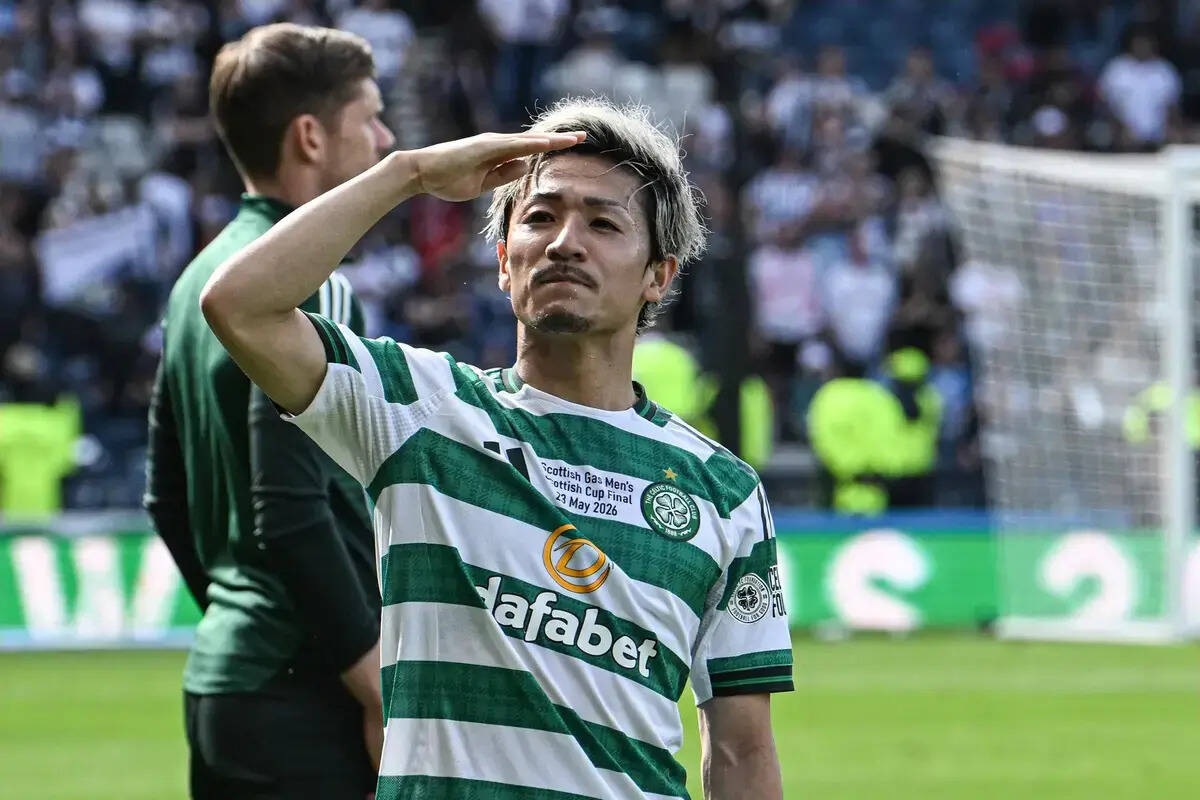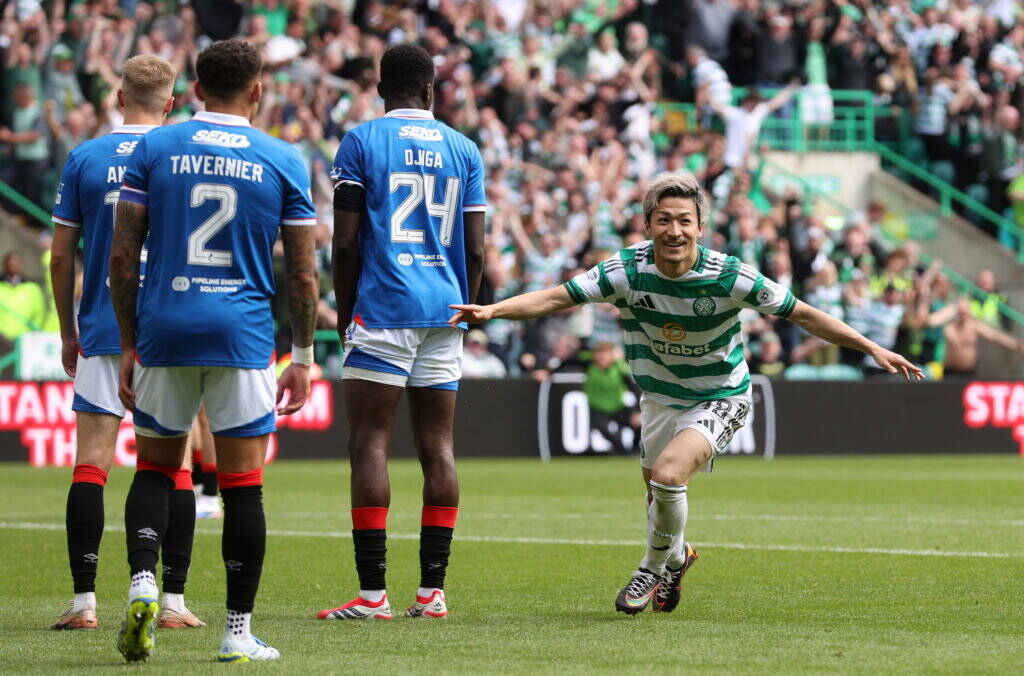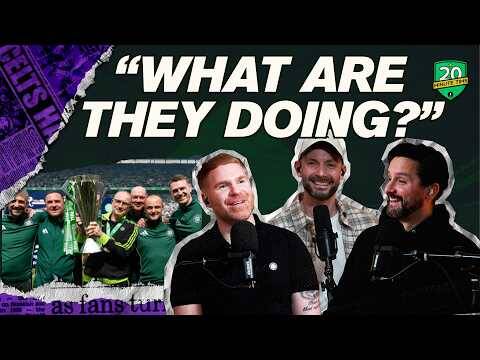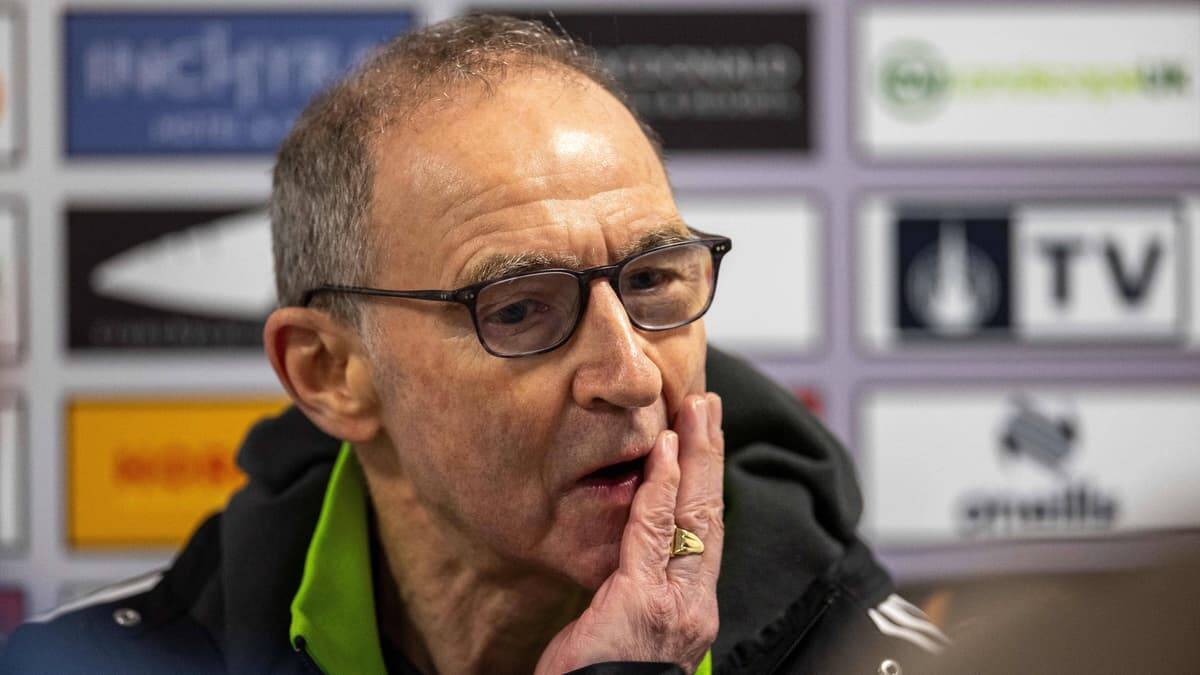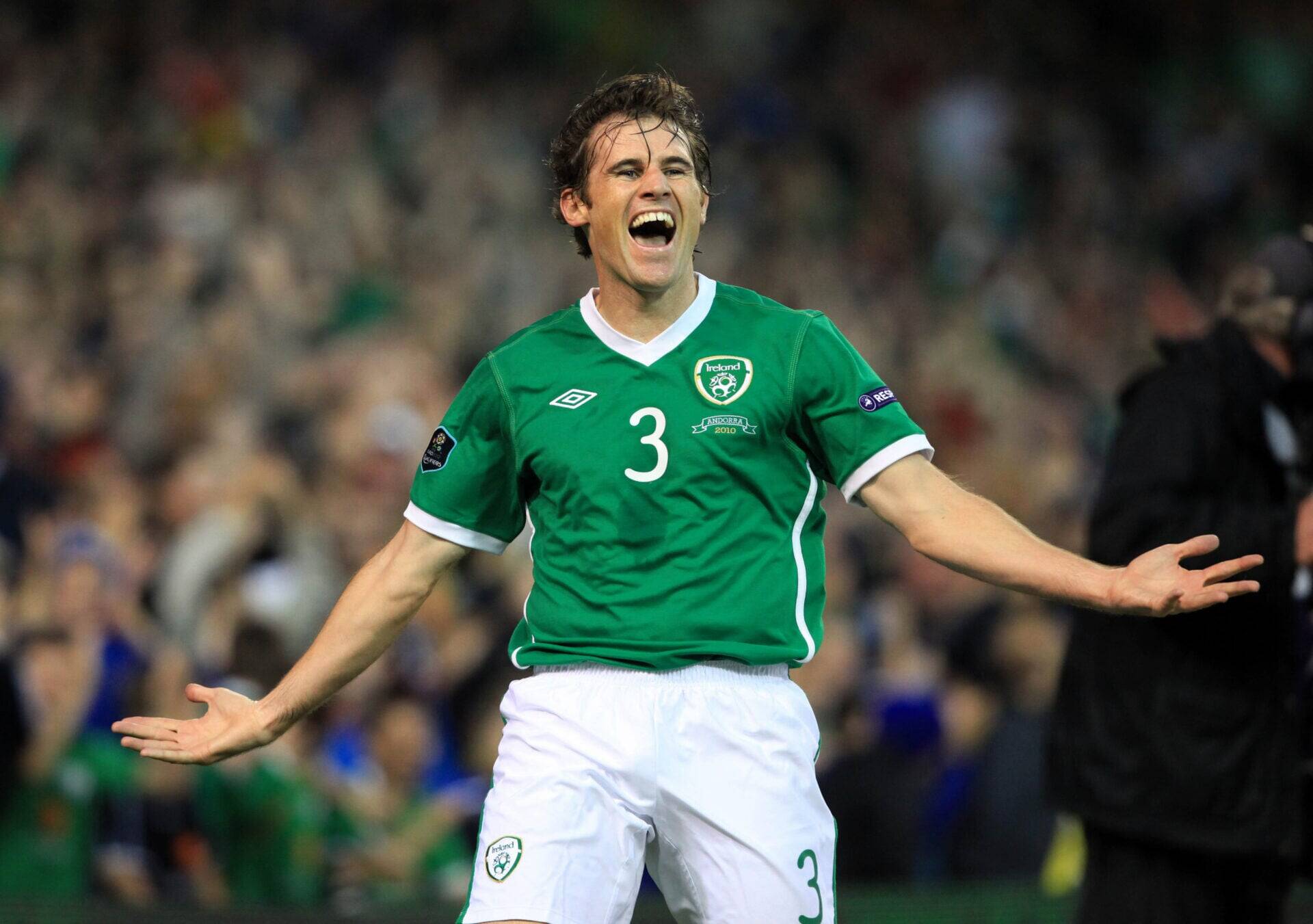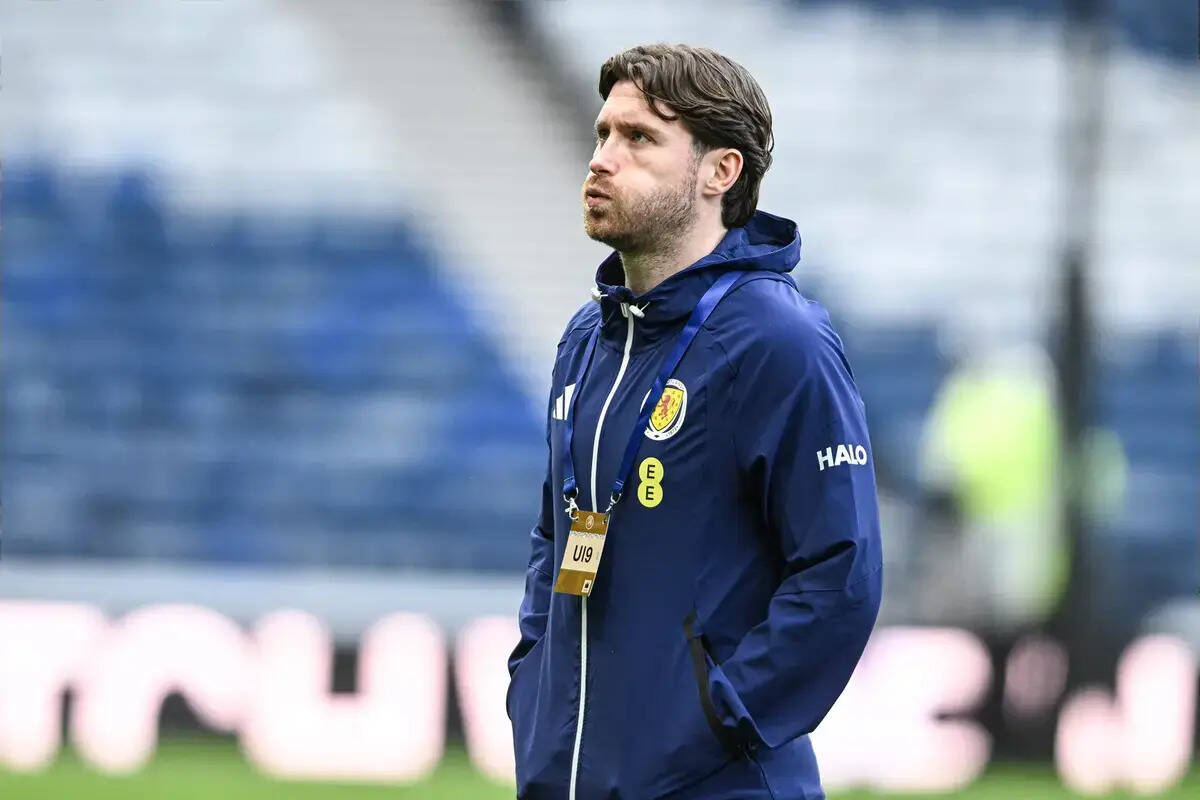
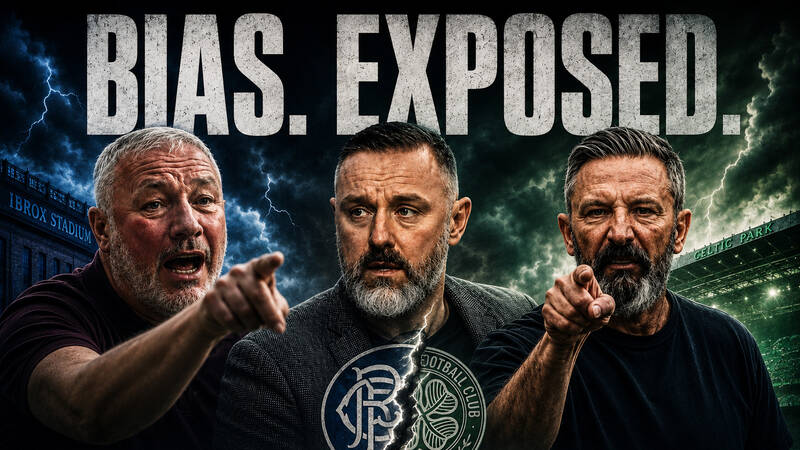
Kris Boyd and Andy Halliday backed Derek McInnes at Rangers while Celtic faced criticism despite winning a domestic double.
- Boyd praised McInnes' strong beliefs and confidence, pointing to his work at Aberdeen and Hearts.
- Halliday called Celtic not well-run despite their latest domestic double.
- Celtic's recruitment pace and backroom uncertainty remain live concerns for supporters.
- Rangers have won one league title since 2011.
- McInnes was previously filmed singing the sectarian song "The Billy Boys".
Every summer it is the same script.
Celtic are in crisis. Rangers are on the rise.
The pre-season trophy is once again being handed out by sections of the Scottish media and, as usual, it is heading to Ibrox before a competitive ball has even been kicked.
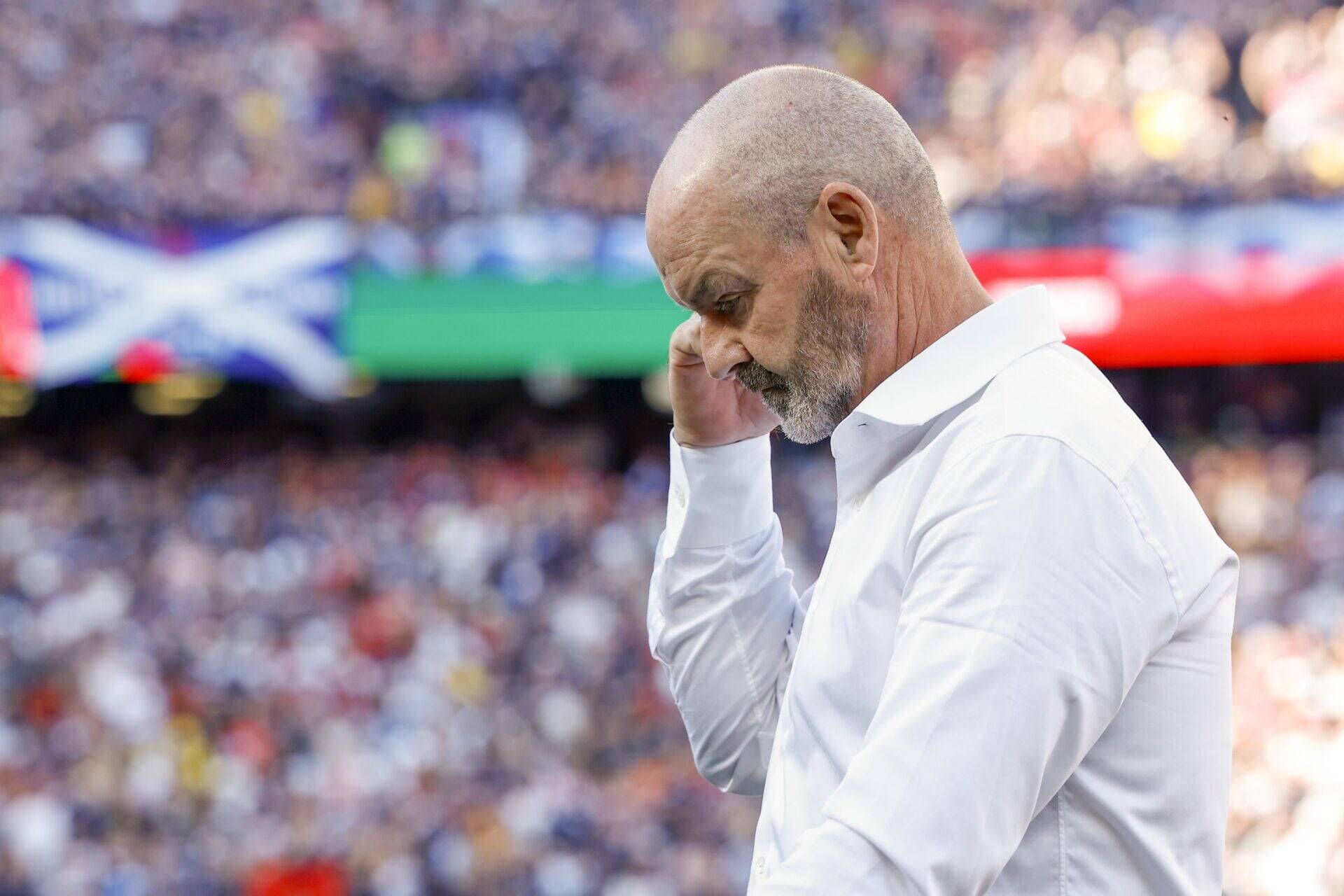
This year, the latest recipient of the media’s unwavering optimism is Derek McInnes. According to former Rangers players and pundits, McInnes is not simply a decent appointment; he is apparently the man destined to restore Rangers to glory.
Kris Boyd has hailed him as a manager with “strong beliefs” and one who is “confident in his own ability”. He has spoken about McInnes’ achievements at Aberdeen and Hearts as though Rangers have somehow unearthed a managerial genius.
Andy Halliday has similarly welcomed the appointment, portraying Rangers as a club making smart decisions while simultaneously questioning Celtic’s direction.
The double standards could not be be more obvious.
Halliday recently described Celtic as “not a well-run club”. That’s a remarkable statement considering Celtic have just won another domestic double. Are there issues at Celtic? Of course there are. The club’s handling of recruitment, the pace of transfer business and the uncertainty surrounding parts of the backroom staff deserve criticism.
But context matters.
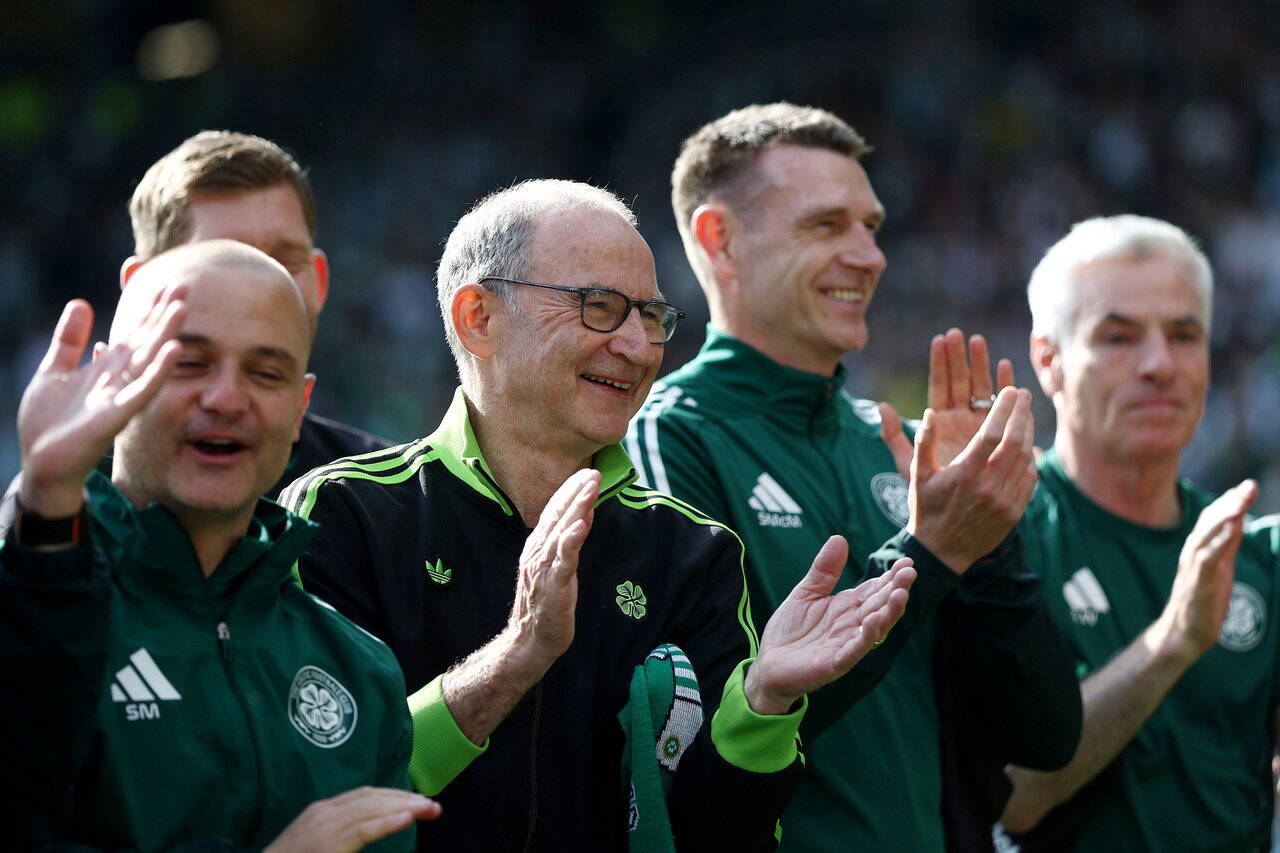
This is a club that has just completed another double. This is a club that has had Martin O’Neill in place for a year. This is a club that remains the dominant force in Scottish football.
Meanwhile, Rangers have won one league title since 2011.
Yet according to the media narrative, Celtic are dysfunctional while Rangers are forever on the brink of a glorious resurgence.
Imagine for a moment the reaction had Celtic appointed a manager whose record against Rangers was as poor as Derek McInnes’ record against Celtic. There would be questions over mentality, ambition and whether the manager possesses the elite credentials required to lead the club.
Instead, McInnes is being presented as a saviour.
Again, the badge changes everything.
Boyd even argued that McInnes finishing second with Aberdeen and Hearts was “like winning the league”. It is an extraordinary statement. Finishing second deserves credit, but since when did repeatedly failing to overcome Celtic become evidence that a manager is ready to dethrone them?
The standards are simply different.
Even more astonishing is the willingness of parts of the Scottish media to overlook uncomfortable realities. McInnes has previously been filmed singing the sectarian song “The Billy Boys”. In any other context, involving different clubs or different individuals, there would be wall-to-wall discussion and demands for accountability.
Instead, it barely registers.
Again, the badge dictates the coverage.
This is the wider problem with Scottish football journalism. Too much of the coverage is driven by former Rangers players or individuals with Rangers connections. Their opinions are perfectly entitled to be aired, but when the same voices dominate the conversation year after year, the narratives become predictable.
Celtic lose a coach or take too long over a transfer and it is portrayed as institutional decline.
Rangers appoint a manager with a modest record against the country’s dominant club and suddenly the revolution has begun.
It is pitiful.
Nobody is arguing Celtic are perfect. They need to improve their recruitment process. They need to be more decisive in the market. There are legitimate concerns that supporters are entitled to voice.
But if winning doubles and dominating Scottish football constitutes a crisis, what exactly is the benchmark for success?
The answer appears to depend entirely on the colour of the shirt.
Every pre-season, Rangers are talked up as title contenders while Celtic are scrutinised as if they are on the brink of collapse. Then the season starts, reality kicks in and the cycle begins again.
Scottish football deserves better than media narratives shaped by club allegiances and selective standards.
The same achievements should be judged by the same criteria.
Until that happens, don’t be surprised when the pre-season cup is once again awarded to Rangers by the pundits, only for the real trophies to be decided somewhere else entirely.