
Celtic remain without a permanent manager five months after Wilfried Nancy's removal, with Robbie Keane under consideration.
- Wilfried Nancy was removed five months ago, and Celtic still have no permanent manager.
- Robbie Keane managed Maccabi Tel Aviv in Israel before working in Hungary.
- Keane played for Celtic for six months during his playing career.
- Celtic supporters have displayed Palestinian flags at home, away and in European matches.
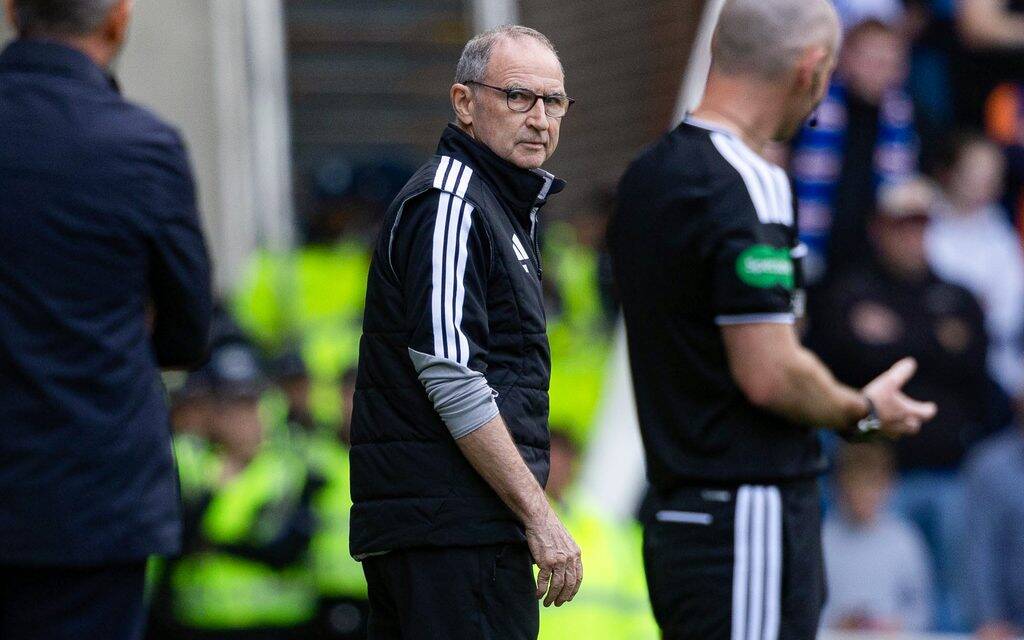
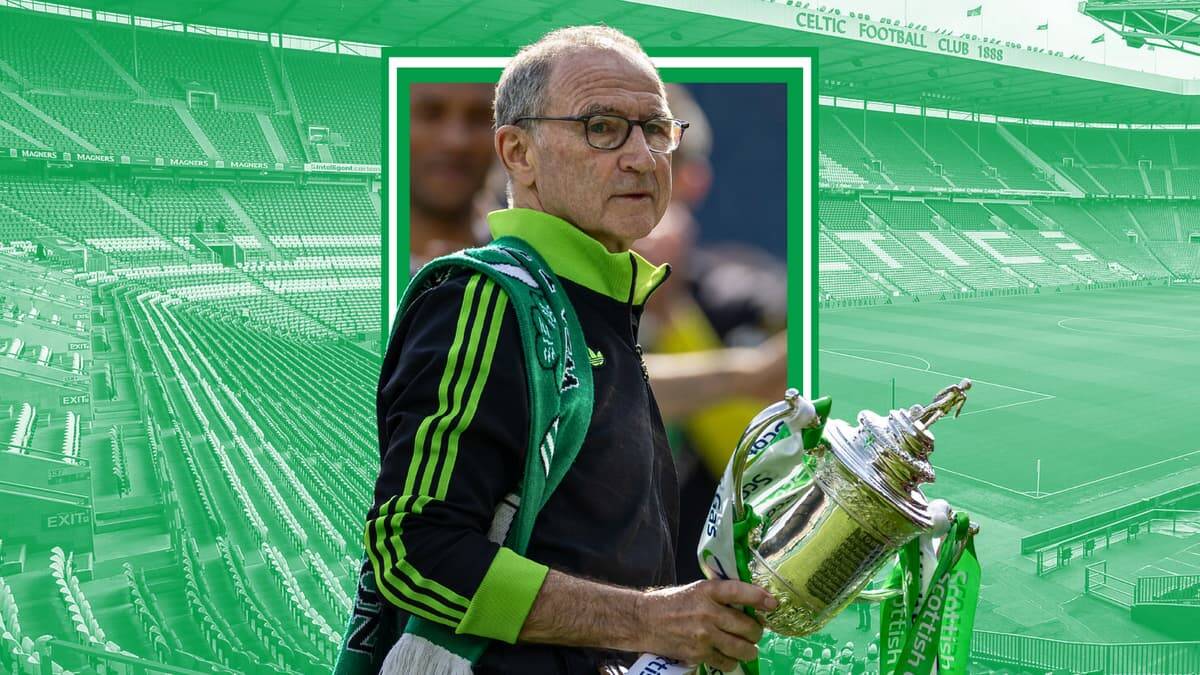
- Martin O'Neill is also in contention alongside Keane.
Five months.
Five months since Wilfried Nancy was removed from his position and Celtic Football Club still does not have a permanent manager.
Five months of silence.
Five months of uncertainty.
Five months in which a club of Celtic’s size and resources should have identified, pursued and secured the best possible candidate to lead the team forward.
Instead, supporters are now being told Robbie Keane could be the answer.
If that is the culmination of five months of planning, then Celtic’s board deserves every ounce of criticism coming its way.
Because this isn’t simply about football.
It is about whether the people running Celtic Football Club have any understanding whatsoever of the supporters they represent.
For years Celtic fans have stood virtually alone in world football in their support for Palestine.
No sporting fanbase anywhere has displayed the same level of commitment, visibility and solidarity.
Palestinian flags have become a familiar sight at Celtic Park, away grounds and European matches across the continent.
Supporters have raised money, organised campaigns, attracted worldwide attention and repeatedly made headlines for their support of the Palestinian cause.
They have been fined by UEFA.
They have been criticised by football authorities.
They have been condemned by sections of the media.
Yet they have never backed down.
Regardless of differing opinions on the issue, it is undeniably a huge part of modern Celtic supporter culture.
The club’s support has become synonymous with solidarity for Palestine in the eyes of football supporters across the world.
It is one of the defining characteristics of the modern Celtic support and something that has attracted global attention for well over a decade.
Which is precisely why the board’s apparent willingness to appoint Robbie Keane is so astonishing.
How can a board that claims to understand Celtic fail to recognise the division this would create?
How can they possibly be surprised by the reaction?
Keane chose to build his managerial career in Israel with Maccabi Tel Aviv.
His managerial reputation was built in Israel.
That is simply a fact.
At a time when Celtic supporters have become globally known for their support of Palestine, the board appears ready to hand the most important position at the football club to a man whose managerial reputation was built in Israel.
The disconnect is staggering.
The tone deafness is breathtaking.
Supporters have spent years being punished, criticised and ridiculed for standing by a cause they believe in.
Now the same board that happily accepts their ticket money appears willing to completely ignore those beliefs when making one of the biggest decisions in the club’s recent history.
It raises a simple question.
Do the board actually understand Celtic supporters at all?
Because they either haven’t considered the implications of this appointment or they have considered them and decided they don’t matter.
Neither answer reflects well on those in charge.
The concerns do not end with the political implications.
Even if politics were removed entirely from the discussion, where exactly is the evidence that Robbie Keane is the elite-level manager Celtic should be targeting?
Three seasons as a manager.
Israel and Hungary.
That is the managerial résumé being linked with one of the biggest clubs in Britain.
A club that expects trophies.
A club that demands Champions League football.
A club that should be attracting ambitious, high-calibre coaches from across Europe.
If Robbie Keane had never played six months of football for Celtic and did not happen to be Irish, would he even be under consideration?
It is difficult to believe he would.
This feels less like a carefully planned recruitment process and more like another example of what many supporters have long criticised as a “jobs for the boys” culture where Dermot Desmond is concerned.
Another familiar face.
Another name from the same circle.
Another appointment driven by personal connections and comfort rather than a rigorous search for the best candidate available.
Another example of a board looking backwards rather than forwards.
Celtic supporters are entitled to ask whether the club is conducting a genuine worldwide search for the best manager available, or simply working its way through a shortlist of familiar names with existing links to the club and those who run it.
For a club that generates the revenues Celtic does and regularly competes in European football, supporters should expect a recruitment process built on ambition, innovation and elite-level standards.
Instead, what they appear to be getting is another appointment from the old network, another decision made within the same narrow circle, and another reminder of why so many fans believe the club’s leadership lacks fresh ideas and modern thinking.
Where is the ambition?
Where is the vision?
Where is the evidence that Celtic are thinking like a major European football club?
Five months have passed and supporters are left staring at a choice between Robbie Keane and Martin O’Neill.
Whatever anyone thinks of those individuals, that reality alone should raise serious concerns about the planning taking place behind the scenes.
A club of Celtic’s stature should not be drifting aimlessly through the most important appointment it can make.
Yet that is exactly what this feels like.
Directionless.
Reactive.
Unprepared.
The board has spent years asking supporters to trust the process.
Supporters have delivered sell-outs, record revenues and unwavering loyalty.
In return they deserve competence.
They deserve communication.
They deserve ambition.
Instead they have been given silence.
And now they are potentially being handed an appointment that threatens to divide the support while simultaneously raising serious questions about the club’s ambitions.
If Robbie Keane becomes Celtic manager, the responsibility for the fallout will not lie with supporters who object.
It will lie with a board that had five months to get this right and somehow managed to demonstrate just how out of touch it has become with the people who make Celtic Football Club what it is.
The warning signs are flashing.
The anger is growing.
And if the board cannot see why, then they are even more detached from reality than many supporters already fear.