
Celtic enter June without clarity on next season’s manager, with the board under pressure over planning and recruitment.
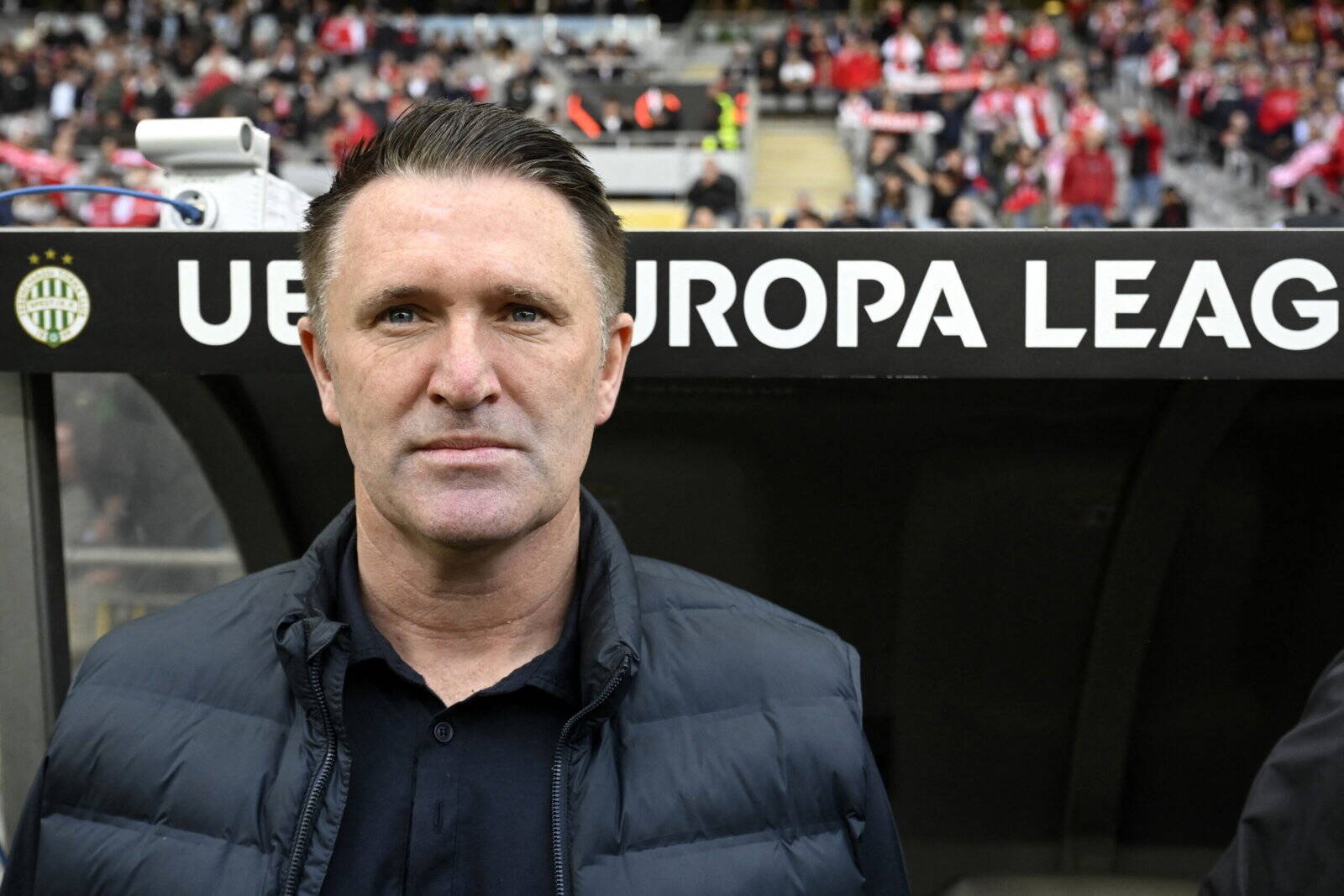
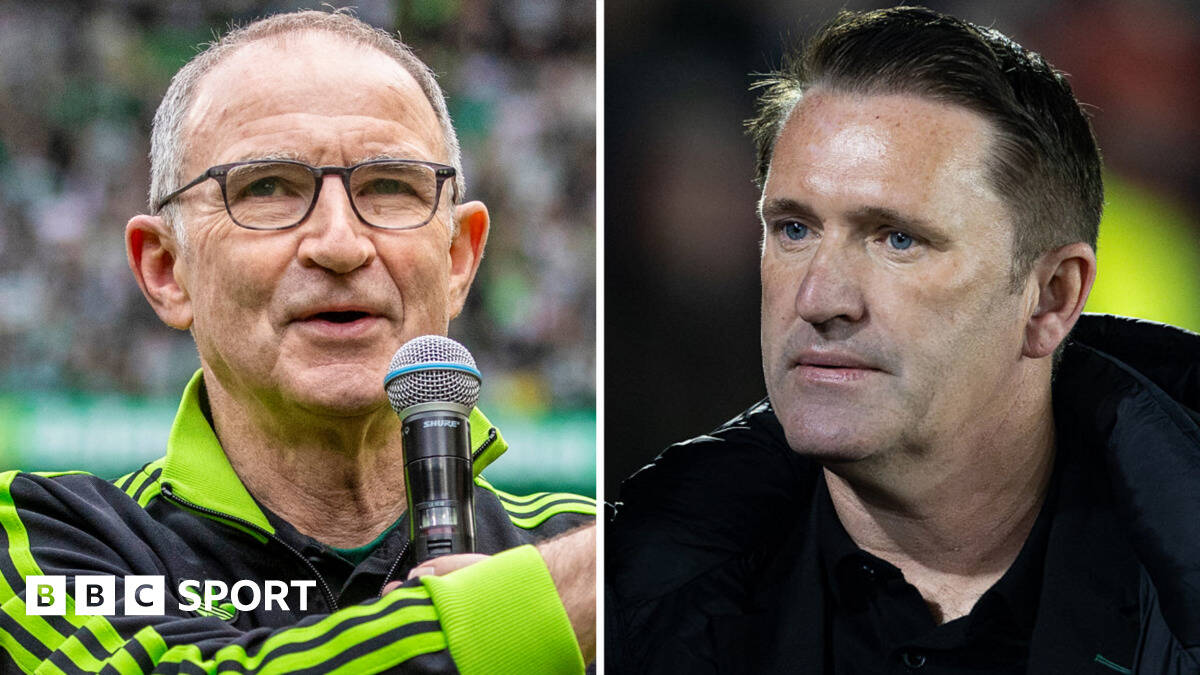
- Robbie Keane and Martin O’Neill remain part of the managerial discussion.
- Last season featured three managerial appointments, including one manager returning for a second spell.
- Celtic have yet to set out the manager, recruitment strategy or priority positions for the new season.
- Repeated late transfer business has left managers working with incomplete squads before European qualifiers.
- Significant cash reserves have built up while visible squad weaknesses remain unaddressed.
For Celtic, this summer cannot become another self-inflicted disaster.
Supporters have heard every excuse imaginable over the years. Difficult markets. Financial realities. Timing issues. The right player wasn’t available. The right manager wasn’t available. Yet somehow the same problems keep appearing every single summer.
The most alarming question facing the club today is a simple one:
Why has the managerial situation still not been resolved?
Whether the answer is Robbie Keane, Martin O’Neill, or somebody else entirely, Celtic should not be entering June without absolute clarity over who will lead the football club next season. Last year supporters watched a season descend into chaos that saw three managerial appointments, with one manager returning for a second spell. It was a shambles that reflected a complete lack of planning at the highest level.
The board had months to prepare for this summer. Months to identify targets. Months to establish succession plans. Months to ensure Celtic would be ready to attack the transfer market the moment the season ended.
Instead, fans once again find themselves asking the same questions.
Who is the manager?
What is the recruitment strategy?
Which positions are being strengthened?
What lessons have actually been learned?
These questions should already have answers.
Champions League qualification is not some unforeseen event. It arrives every year. Yet Celtic repeatedly approach crucial European qualifiers with a squad that looks incomplete, unbalanced or underprepared. The consequences have been severe. Millions of pounds have been lost through failed qualification campaigns and disappointing European performances.
Supporters are entitled to ask why a club of Celtic’s size appears to stumble into these decisive moments every single season.
Will this summer finally be different?
History suggests caution.
Every transfer window begins with promises of ambition and preparation. Every transfer window ends with explanations about why business could not be completed sooner. The result is usually the same: important players arriving late, managers working with incomplete squads, and supporters left wondering why obvious problems were allowed to develop.
At some point responsibility has to rest with those making the decisions.
What exactly are the board doing throughout the year?
Celtic’s directors are among the highest-paid executives in Scottish football. Their responsibility is to ensure the football operation is prepared, proactive and ambitious. Yet year after year the same structural weaknesses remain.
Communication with supporters is minimal.
Long-term planning appears reactive rather than strategic.
Major football decisions seem to take months when urgency is required.
The perception among many supporters is that Celtic are often run like a business that happens to own a football club rather than a football club determined to maximise its sporting potential.
That inevitably leads to questions about the influence of Dermot Desmond.
With influence comes accountability.
Supporters look at a billionaire businessman with an estimated fortune running into billions and wonder why Celtic consistently operate with such caution.
No serious fan expects unlimited spending. Scottish football imposes obvious financial limitations and Celtic cannot compete with Europe’s elite on transfer fees or wages.
But supporters do expect ambition.
They expect investment.
They expect the club to push itself to become the best possible version of Celtic Football Club.
For years significant cash reserves have accumulated while sections of the squad have visibly deteriorated. Fans are entitled to ask why millions sit in the bank while obvious weaknesses remain unaddressed. They are entitled to ask why Celtic often appear reluctant to take calculated risks despite being in a stronger financial position than every domestic rival.
More importantly, they are entitled to ask what the long-term vision actually is.
Why not recruit the very best football executives available?
Why not strengthen every department with proven elite-level expertise?
Why not communicate openly with supporters about the strategy?
Why not use the club’s financial strength to establish genuine stability and sustained European progress?
The frustration among supporters is not simply about money.
It is about standards.
It is about ambition.
It is about seeing opportunities repeatedly wasted.
Nobody expects Celtic to become Real Madrid overnight. But supporters do expect competence. They expect planning. They expect preparation. And they expect the club’s leadership to match the ambition shown by the supporters who fill Celtic Park every week and continue to invest their money year after year.
The reality is simple.
This summer represents a significant test for the board.
If a manager is appointed quickly, if recruitment is completed early, if Champions League preparation is prioritised, and if supporters see evidence of a coherent plan, confidence can be restored.
If not, the frustration that has been building for years will only intensify.
The Celtic support has backed this club through every challenge imaginable. Their patience should never be mistaken for endless acceptance.
Supporters want progress.
They want leadership.
They want accountability.
Above all, they want a football club that is as ambitious as the people who follow it.
This summer the board have an opportunity to prove they understand that.
Failure is no longer a surprise.
It is becoming a habit.
And habits, if left unchallenged, become culture.